You Don’t Need A Harder Pilates Practice. You Need A Deeper One.
Pilates is the complete coordination of mind, body, and spirit.
- Joseph Pilates
Anytime someone tells me they tried Pilates and thought it was boring or too easy, I’m not thinking the work failed them. I assume something didn’t land. Either they weren’t fully present for the work, or they have a different understanding of it.
In Pilates, the foundational moves are designed to be the most challenging, because they are what everything is built on, the structural integrity of the practice. These moves are the pillars, and they should be performed regularly to ensure the foundation is actually there in order to support the work that comes next.
Each time the moves are revisited, they’re met with a new level of awareness. A new way of connecting. A new opportunity to dive deeper into the work. That is the nature of the practice. That’s what deepening the work means.
One of the most common questions I get from instructors is:
“How can I give this person a harder workout?” These instructors feel pressured to advance clients, to continuously offer new and trendy moves because their clients want to feel like they’re getting “a hard workout.”
They aren’t alone.
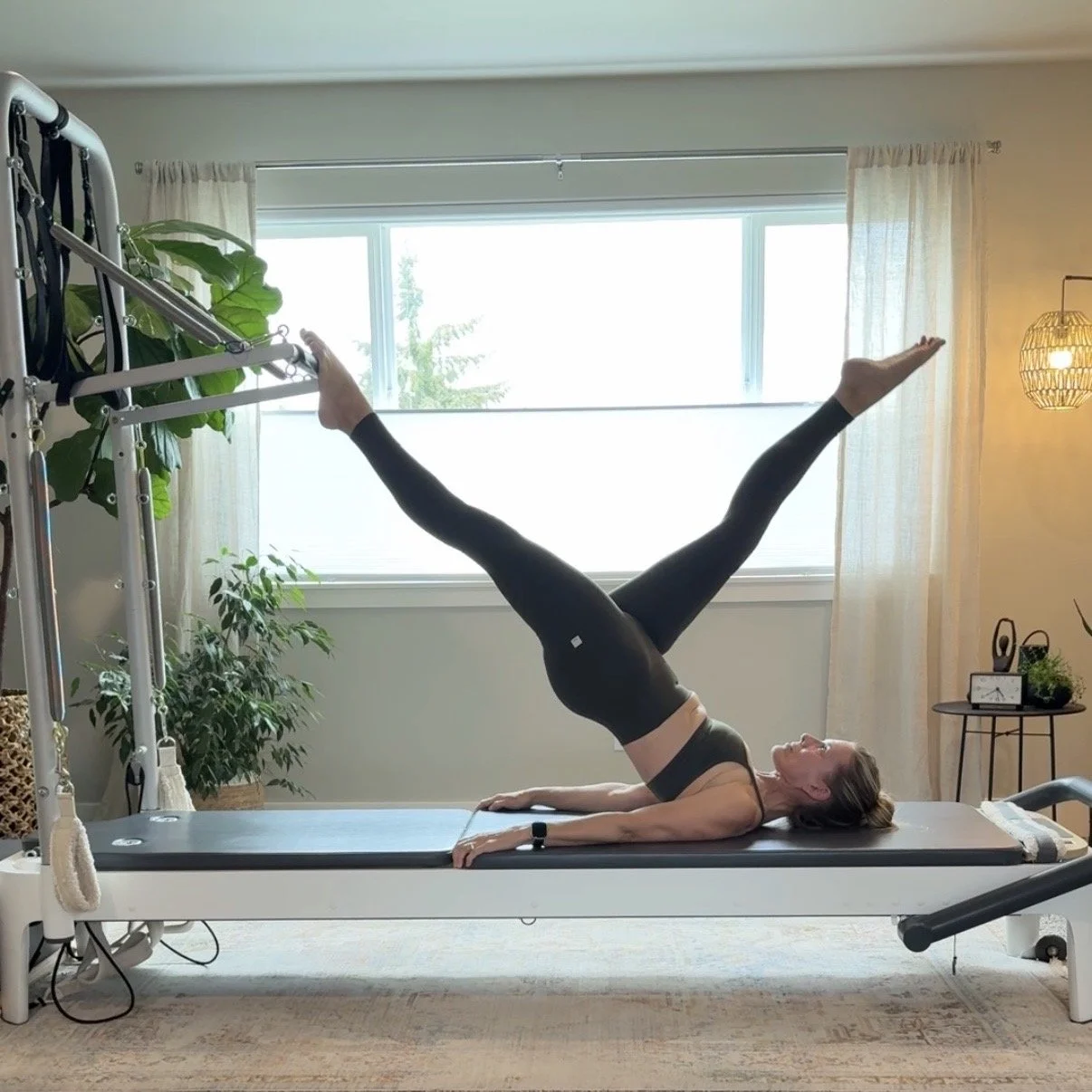
I’ve had new clients want the same thing. They see their social media feeds full of unique and trendy moves, and they want to be able to do them. They want that “hard workout” that brings the burn, sweat, and physical exertion, leaving them feeling like they overcame a challenge.
Deepening the original work of Pilates will do that. It will humble them.
Not because it’s harder, but because it asks them to do something their body isn’t used to doing. True connection. Precision. Control. That’s a different kind of hard, and for most people it’s harder than anything they’ve done before.
Once I take this approach with them, these clients will either choose to stay with me, or move on. That’s their choice, and I’m ok with it.
Honestly, instructors feel this pressure from both sides. Not just from the clients, but from within.
As a newer instructor I remember feeling like I was ready to progress and move on to more advanced repertoire or explore more specific niches to help me “grow” as an instructor. I would ask my boss about upcoming workshops and was always met with the same response, “You’re not ready. Just stick to the foundations. Deepen the work.”
I felt like I was being held back. I felt like Daniel from the Karate Kid being told to do the same seemingly unimportant thing over and over again. Wax on, wax off. I couldn’t help but wonder - when can I take things to the next level? That limitation frustrated me.
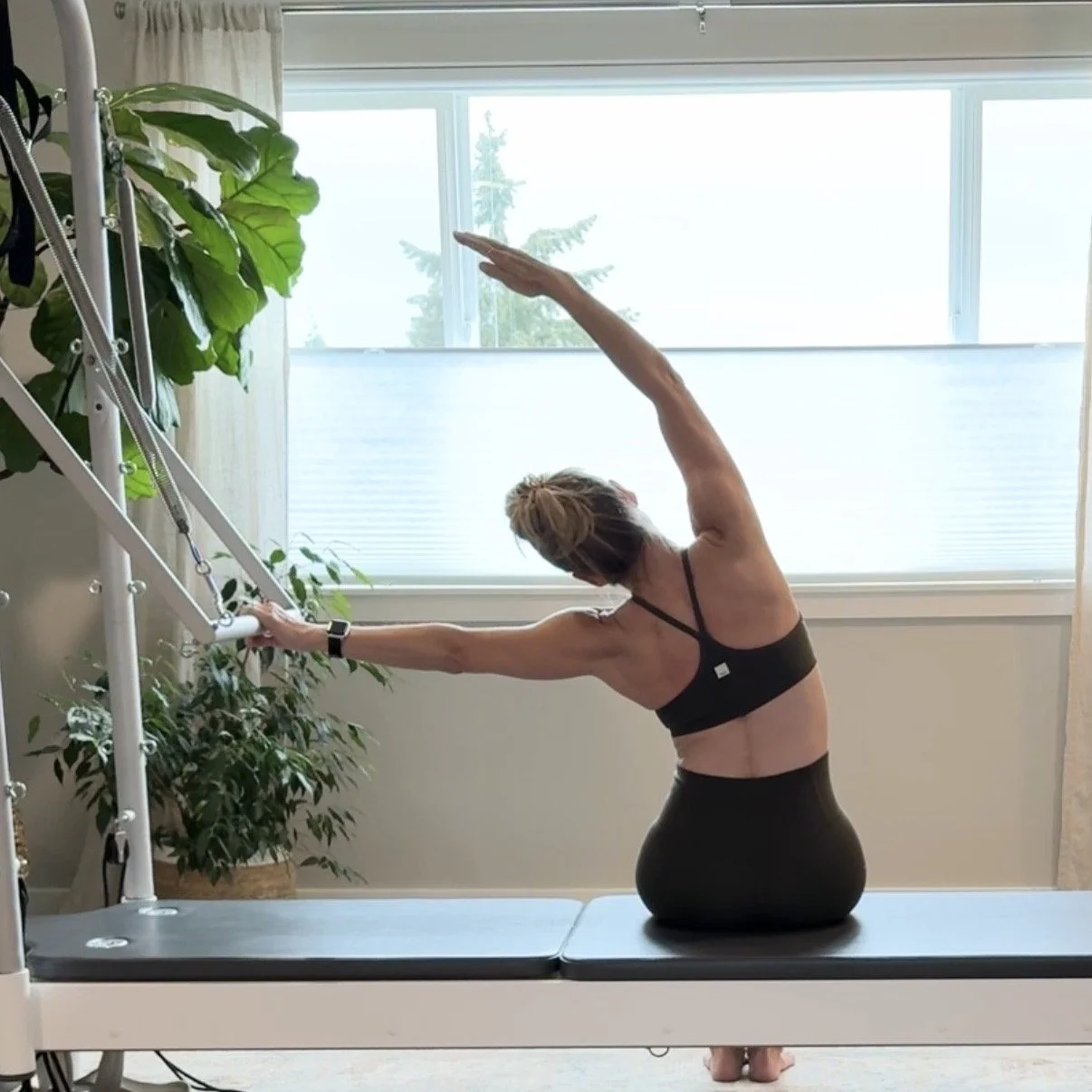
Looking back, I’m glad he did that. It was exactly what I needed. I wasn’t ready. I’m still learning the work. I will always be learning. There will never be a move I can check off a list and say it’s mastered. One move can feel completely different any given day. I may be more fatigued, stressed, tight. One move might have more intensity based on speed, reps, a new prop or position. And that’s just one move.
Boredom isn’t the issue. Lack of depth is.
Why focus on deepening the work?
This is when the Pilates Principles come into play - Awareness, Breath, Concentration, Control, Efficiency, Form, Precision. Depth through the principles helps build the foundation that creates lasting change in the body. The nervous system needs to feel safe before it can truly integrate a movement. Adding load, props, or complexity before the feeling of safety is established means the body will default to compensation patterns. It will find a way to do the movement, just not the right way. And whatever pattern it finds, it will practice and reinforce.
When should you deepen the work?
The body will tell you. Before you consider adding anything like load, complexity, or a new variation — ask yourself: has the body actually integrated the work it’s doing right now? Is the form there? Is there extra tension? Are they following cues? Are they compensating?
If you’re not sure, here’s what else to watch for.
The Muscle Through: The client looks fine, but looking ready and being ready are not the same thing. The movement is happening, but the body is recruiting the wrong muscles, gripping, bracing, or losing alignment in order to get through it. This strong mover is often the hardest to address, because they can muscle through the movement using a strategy that has brought them previous success. The foundation was never really established, the body just found a workaround. Slow things down, remove props, or have them hold a position and their form will tell you everything.
The Information Overload: Cues are another indicator, and less is always more with cueing. But if the client can’t string basic cues together to organize the body and maintain alignment, that’s important information. If they come out of a set up mid cue or they say, “that’s too many cues”, that is an integration problem, compounded by the inability to hold form due to compensations. They need something foundational to tap into as a reference point before more can be added. When a client says “I don’t feel my…” or “what am I supposed to be doing?”, this is information that will help you refine your skills.
The Silent Compensator: The client is doing the work, but their movements reveal tension (shoulders, hips, jaw), rigidity (robotic movements, disconnect), or compensation (a tight TFL doing the glute work, the back taking over for ab work, the rhomboids standing in for the serratus, etc.). The body will reveal itself if you’re paying attention.
Who benefits from deepening the work?
Anyone can benefit from deepening the work, client or instructor. Revisiting the foundational work and asking more of it. Changing the focus, shifting the angles, refining the cues. These things will only make you a better mover.
I pull my manuals out and return to the pillars of Pilates all the time. Each time I’m returning with a new perspective, appreciation, and sometimes humility, for the seemingly simplest of moves. Joseph Pilates said it best — “a few well-designed movements, properly performed in a balanced sequence, are worth hours of doing sloppy calisthenics or forced contortion.” The depth of the work was always the point.
So when someone tells me Pilates was boring or easy, I hear something different — harder was never the answer. Deeper was.
This is the type of work I do with every client, and instructor I mentor. I meet the body where it is and then ask more of it. If that resonates, I’d love to work with you. Virtual sessions · Mentoring